Henan Henkel Chemical Technology Co., Ltd.
Instructions for use in the use of
Chemical and corporate identity
Product Name:Thioacetamide
Product number: 62-55-5
Usage: refer to product safety information
Construction method: refer to product safety information
Company name: Henan Henkel Chemical Technology Co., Ltd.
Address: Lankao County Industrial Area on the west side of Yingbin Road
Zip code: 450000
Telephone number: 02135120609
Fax number: 037169160001
This product is in line with: 190-1990 GB 13690-1992 GB 17916-1999 GB
Two, composition / composition information
This product contains the following hazardous substances:
成分 | CAS号码 | 符号 | 危害术语* | 含量 |
| 62-55-5 | C2H5NS | >99% |
* sixteenth part of the full text of the hazard term.
The rest of the ingredients are non hazardous substances.
Three, product hazard identification
Irritation to eyes and skin.
Skin contact can cause allergies.
Supplementary information refer to the Eleventh section.
Four, first aid measures
General situation:
When a question or symptom appears, it should seek medical treatment.
Never to become unconscious person to eat.
Inhalation:
Move the patient to the fresh air and keep it quiet and warm. If breathing is not normal or stop, should carry on artificial respiration. If you lose consciousness, you should keep it in a safe position and seek medical treatment immediately. Do not feed anything.
Eye contact:
A large number of clean fresh water for at least 10 minutes away by the eyelid, and seek medical.
Skin contact:
Remove contaminated clothing, wash skin thoroughly with soap and water or skin cleansing agent approved. Do not use solvents or thinner.
Pharyngeal:
If swallowed, seek medical care immediately. Take it easy。 Do not try to vomit.
Five, fire control measures
Recommended fire fighting materials: water spray, dry powder, carbon dioxide or chemical foam.
Do not use water injection.
Note: the flame will produce a thick black smoke. Decomposition of products may be harmful to health. Should avoid exposure to them, and use breathing apparatus. In a fire in a closed container, should be cooled by water spray. Shall not discharge water and pollutants generated in the fire process into the sewer or river.
Six, the leakage of emergency measures
Keep away from fire, do not use the non protective devices of electrical equipment.
Maintain ventilation to avoid inhalation of decomposed gases. According to the eighth part of the personal protective measures.
Non flammable materials such as sand, soil, vermiculite and other processing overflow. Place in a closed container in the open, and in accordance with the relevant laws and regulations to deal with the waste (thirteenth parts).
Best to use detergent when cleaning. Do not use solvents.
Overflow is prohibited in the drainage ditch or river.
If drains, sewers, rivers or lakes are contaminated, the local water company should be notified immediately. If the rivers or lakes are polluted, it should be notified to the environmental protection agency.
Seven, operation and storage
operation
Use adequate ventilation to keep the air concentration low
In storage
There must be no fire and smoke in the storage area.
in use
Avoid contact with skin and eyes. Comply with the preventive measures on the trade mark. Personal protective measures are listed in the eighth part.
All preparation and construction areas should be prohibited from smoking and diet.
By means of extrusion will be vacated packing barrel not; packing barrel not pressure vessel.
Preparation and construction area should be without any fire source (hot surface, sparks, open flame, etc.).
Operator should wear protective clothing
Storage
Store in a well ventilated dry place away from heat and direct sunlight.
Packing barrel should be tightly closed. Open containers must be carefully sealed and kept upright. Put the product in the original packaging barrel or the same material packaging barrels.
Not allowed to enter the storage area without approval.
Eight, contact control / personal protection
Engineering measures
Provide adequate ventilation. Under normal circumstances, the use of local exhaust ventilation and general ventilation can achieve practical ventilation. If these measures are not enough to keep the concentration of particulate matter below the occupational exposure limit, it is necessary to wear suitable respiratory protective devices.
Respiratory protection
When the concentration exceeds the exposure limit, the worker must wear the appropriate and approved respirator.
Eye protection
Wear safety equipment such as goggles, safety glasses, goggles or face mask. Protective equipment shall comply with the relevant standards.
Hand protection
Mixing and construction, should wear nitrile rubber gloves.
Skin protection
Should wear work clothes that cover all of the body, arms and legs. Skin should not be exposed. Isolated skin care cream can help protect the skin that is difficult to cover, such as face and neck. However, once exposed to exposure, it should not be used again. Should not use petrolatum based skin care products, such as vaseline. Contact with the product should be cleaned after the whole body.
Nine, physical and chemical characteristics
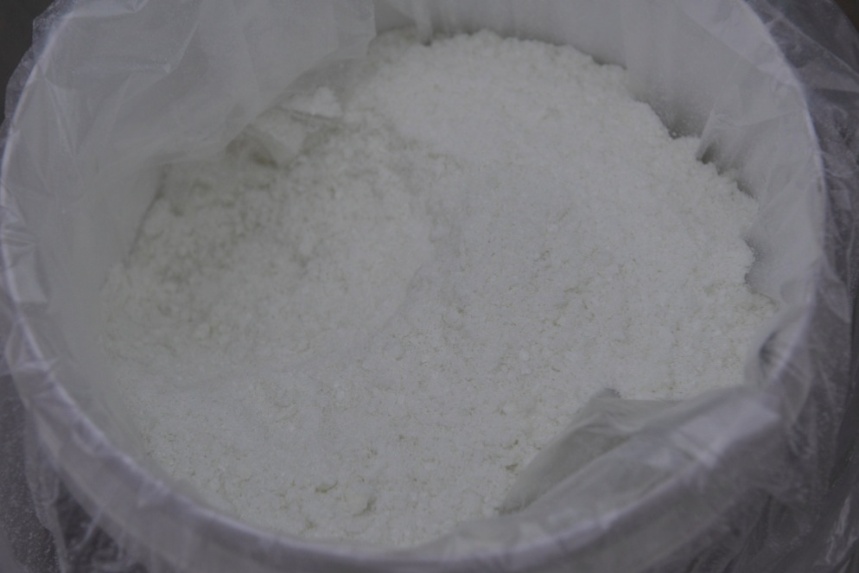
Physical state: white solid
The melting point (C): 133144
Molecular weight: 75.13
Molecular formula: C2H5NS; CH3CSNH2
Vapor density: heavier than air
Solubility: solubility of 16.3g/100ml in water of 25 degrees C, ethanol 26.4g/100ml. Soluble in benzene, ethyl ether
Ten, stability and reaction type
In the recommended storage and handling conditions, in a stable state (see the seventh part). Exposed to high temperatures, will produce harmful decomposition products, such as hydrogen sulfide, nitrogen oxides and smoke.
In order to avoid the exothermic reaction may occur, should stay away from oxidant, alkali and acid.
Eleven, toxicology information
The product itself has no available data.
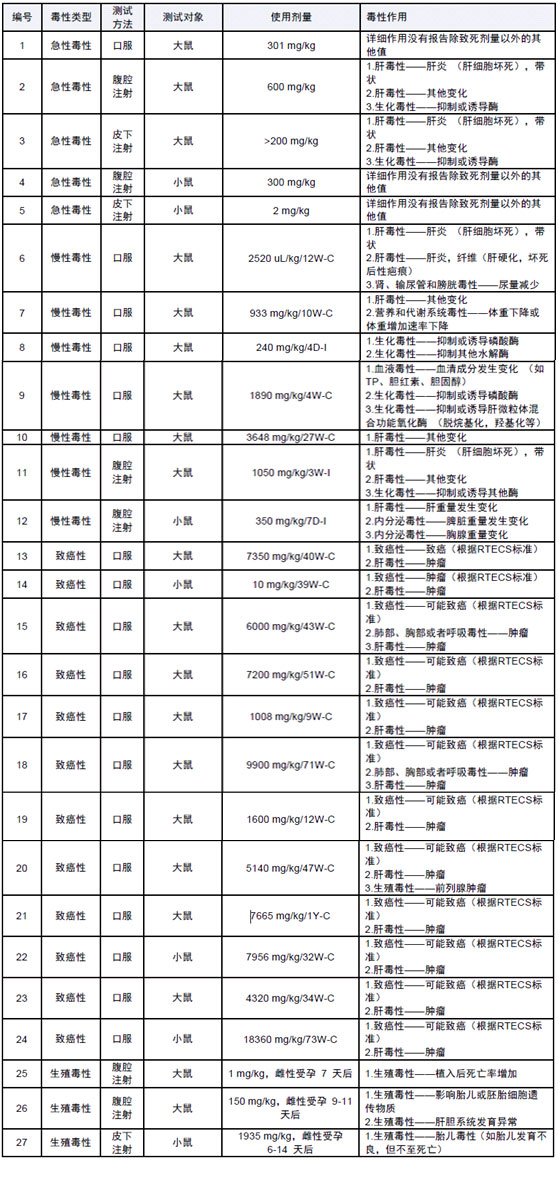
Has a direct toxic effect of liver, liver cells can be ingested by cytochrome P450 mixed function oxidase metabolism of TAA sulfur oxides, interference of RNA in nucleus transfer, protein synthesis and enzyme activity, increased liver DNA synthesis and mitosis, promote the development of liver cirrhosis, liver cells and activation of phospholipase A2, liver cell damage the formation of membrane, intestinal endotoxemia, resulting in a large area of liver cell damage, and can make the ALT and AST increased significantly. Low dose of TAA induced liver cell apoptosis
Death, large dose leads to the positive correlation of lipid oxidation and centrilobular necrosis, the degree of damage and TNF \ gamma and endotoxin levels by hydroxyl radical scavenger relief. Exposure to exceed the exposure limits in the occupation of solvent vapor, may have adverse effects on health, for example, cause inflammation of mucosa and respiratory system, and also have adverse effects on the kidneys, liver and central nervous system. Symptoms include headache, nausea, dizziness, fatigue, fatigue, sluggish, in extreme cases, and even loss of consciousness. Repeated or prolonged exposure to products, the skin may lose its natural fat, become dry, inflamed, and may appear non allergic contact dermatitis. Solvent can also be inhaled through the skin.
Twelve, ecological information
The product itself has no available data.
Products are not allowed to enter the sewer or river.
Thirteen, waste disposal
Not to enter a sewer or river. Waste and empty containers should be disposed of in accordance with local laws and regulations.
When using the information provided by the information, regardless of whether the provisions are applicable to the special waste discharge, should listen to the recommendations of the local waste management agencies.
Fourteen, transport information
Transport according to the international transport order and national regulations
规定 | 装运名称 | UN编号 | 级别 | 包装类别 | 其他 |
ADR/RID | 硫代乙酰胺 | ||||
IMDG | 硫代乙酰胺 | ||||
ICAO/IATA | 硫代乙酰胺 |
Fifteen, regulatory information
The following information is used as an overview of the information contained in the MSDS.
Marker: irritation
Hazard term:
Easy decomposition.
Irritation to eyes and skin.
Skin contact can cause allergies.
Safety terminology:
Do not take.
Avoid contact with skin.
Wear proper gloves.
Use only in well ventilated areas.
Sixteen, other information
The information in this safety information is based on our current level of knowledge and the current state laws.
Without prior written notice, this product shall not be used for other purposes other than the provisions of the product information.
To take all the necessary measures to comply with the requirements of the regulations is always the responsibility of the user.
The full text of the hazard term appearing in the second part is:
R10 flammable.
Harmful by inhalation of R20.
R20/21 inhalation and harmful to the skin.
R22 swallowed harmful.
R36/37/38 to the eyes, respiratory system and skin irritation.
R36/38 on the eyes and skin irritation.
R37 stimulates the respiratory system.
R38 stimulates the skin.
R41 has serious damage to eyes.
R43 skin contact can cause allergies.
R65 hazard: if swallowed, may cause respiratory damage.
R67 may cause drowsiness and dizziness steam.
Seventeen, on the recovery and treatment of waste products
It is recommended that consumers in the product when the product is delivered to our local dealers or qualified waste recycling or disposal of processing, so as not to cause pollution to the environment, improve the recycling rate of information.
Eighteen, toxicity test